Innovative Technologies from Science Fiction for Space Applications
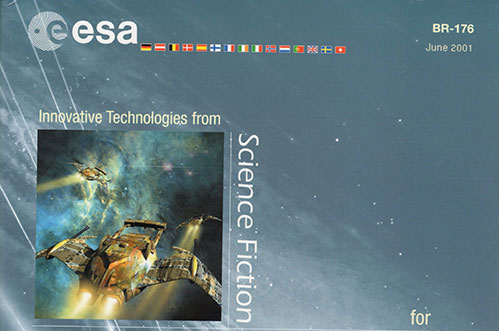
The idea that science fiction literature contained innovative technological ideas which could possibly be brought to a point of development with either today’s technology or possibly technology which was just around the corner was the driving force behind an European Space Agency (ESA) study entitled Innovative Technologies from Science Fiction (ITSF). David. Raitt, Patrick Gyger, Arthur Woods * Paper IAF-01-IAA.8.2.02 presented at the 52 International Astronautical Congress 1-5 Oct 2001 / Toulouse, France Abstract Ideas play an important role in science and technology, even when they do not have an immediately testable aspect, and writers have predicted satellites, [...]
Space Solutions to Terrestrial Problems
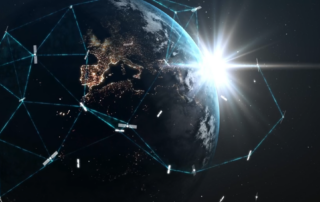
Most people intuitively assume and fundamentally believe that terrestrial problems must have terrestrial solutions. This is likely due to a lack of understanding about our interconnectedness and interdependence with the rest of the cosmos. As a terrestrially evolved organism, it is in our genes to adapt to our immediate environment as we have over millions of years. Only recently have we begun to become aware of how celestial events affect our lives. We now know that such events have been critically important to the evolution of life on Earth. Impacts of comets and asteroids most likely provided a young Earth [...]
Space and the Arts by David Raitt
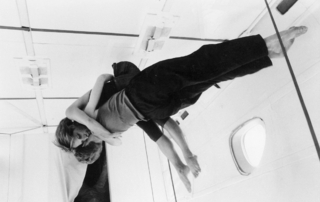
This paper provides an overview of the relationship between space and art by discussing art that has been sent into space, orbital sculptures, art on Earth seen from space, and performance art and dance in zero gravity. The paper then provides an overview and discussion of the European Space Agency’s (ESA) involvement in some activities in this domain including the organization of science fiction and space art exhibitions and conferences, creation of a space arts database, setting up a space arts programme, and a study recently launched into how the European components of the International Space Station could be transformed [...]
Inflatable Technologies for Sculpture in Earth Orbit
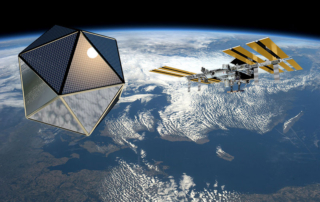
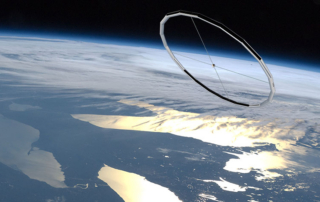
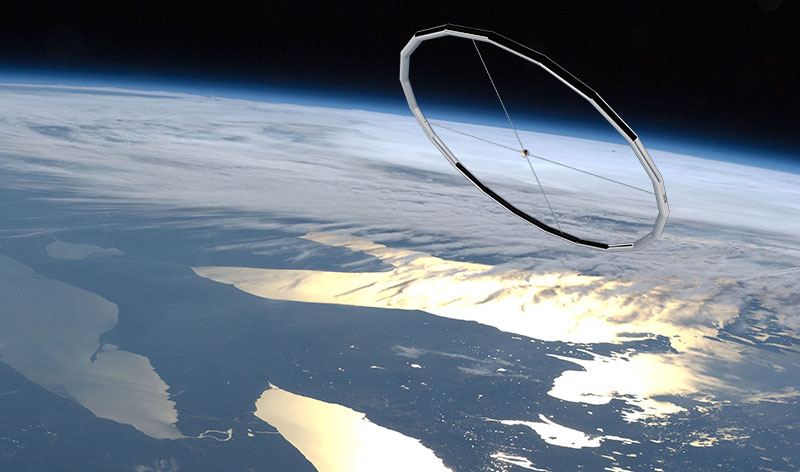
A number of artists have made proposals for creating monumental artworks to be placed in Earth orbit which could be seen with unaided vision by those on Earth. While there has been a variety of technologies suggested most of the proposals have utilized some form of inflatable space technology. Echo 2 The idea of using inflatable structures goes back to the first Echo satellites launched by the US in the 60's - although a number of inflatable concepts for space applications pre-dated these satellites. These were passive communication satellites and carried no other payload. However, they were significant because, in [...]
The EarthSeeds Project
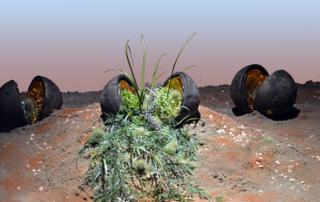
EarthSeeds - Humanity's Ultimate Purpose in the Evolution of Life The EarthSeeds art intervention is an open source, open space, open community astronautical art intervention. The EarthSeeds art intervention is designed to send the "Seeds of Earth" to other places in the solar system to help insure that Life will survive elsewhere if the conditions for its survival on Earth become inhospitable. It is based on the knowledge that in nature, the perpetuation and survival of all forms of life are maintained through the process of reproduction. The propagation of a species is the best way for it to survive and thrive in [...]
Art to the Stars
An Astronautical Perspective on the Arts and Space Arthur Woods - Latest update: April 2026 Most people are probably not aware that the idea of space exploration began in the mind of the artist or that artists have been intimately involved in space exploration from the beginning. Yet long before the first rocket penetrated the atmosphere, artists were making the concept of humanity traveling beyond Earth’s atmosphere a reality. This has led to a genre of art called Space Art sometimes referred to as AstroArt – two terms which can be used interchangeably when describing art related to artists who are inspired by or depicting [...]
The Role of Art in the Space Environment
Artworks that may be simultaneously experienced by the entire planet represent a revolutionary development in the history of the visual arts. In 1911, Wassily Kandinsky wrote: “The great epoch of the Spiritual which is already beginning, or, in embryonic form, began already yesterday......provides and will provide the soil in which a kind of monumental work of art must come to fruition." The British art historian Herbert Read (1967) has written: “The artist and the community are profoundly interrelated. Traditionally, artists have been channels for the tempo, the tone and the intensity of their society. The function of their art is [...]
The idea that science fiction literature contained innovative technological ideas which could possibly be brought to a point of development with either today’s technology or possibly technology which was just [...]
Most people intuitively assume and fundamentally believe that terrestrial problems must have terrestrial solutions. This is likely due to a lack of understanding about our interconnectedness and interdependence with the [...]
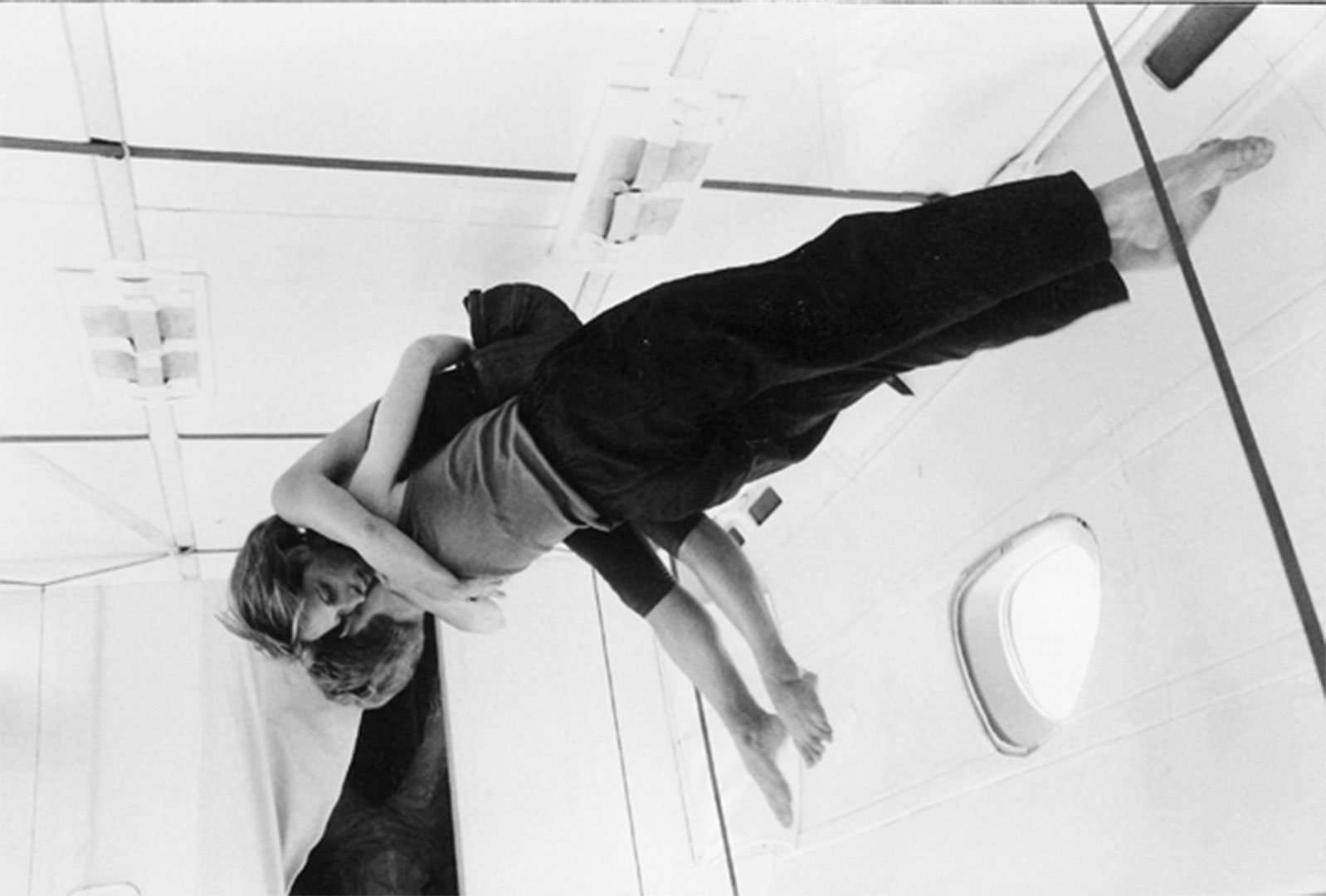
This paper provides an overview of the relationship between space and art by discussing art that has been sent into space, orbital sculptures, art on Earth seen from space, and [...]
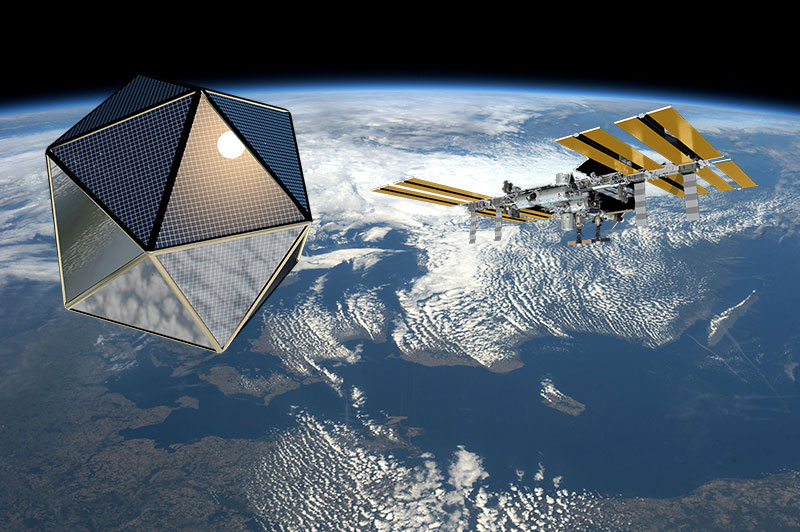
A number of artists have made proposals for creating monumental artworks to be placed in Earth orbit which could be seen with unaided vision by those on Earth. While there [...]
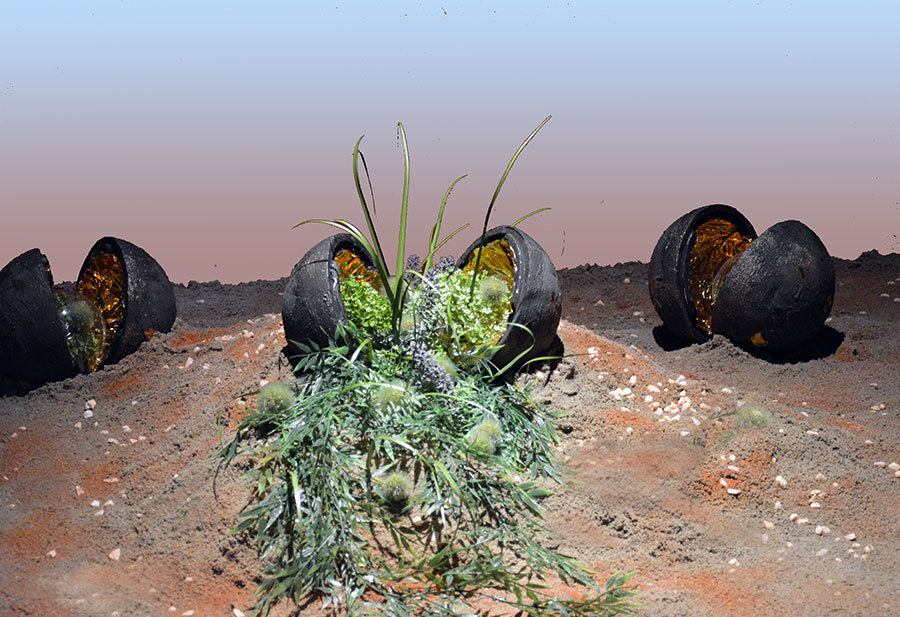
EarthSeeds - Humanity's Ultimate Purpose in the Evolution of Life The EarthSeeds art intervention is an open source, open space, open community astronautical art intervention. The EarthSeeds art intervention is designed to send [...]
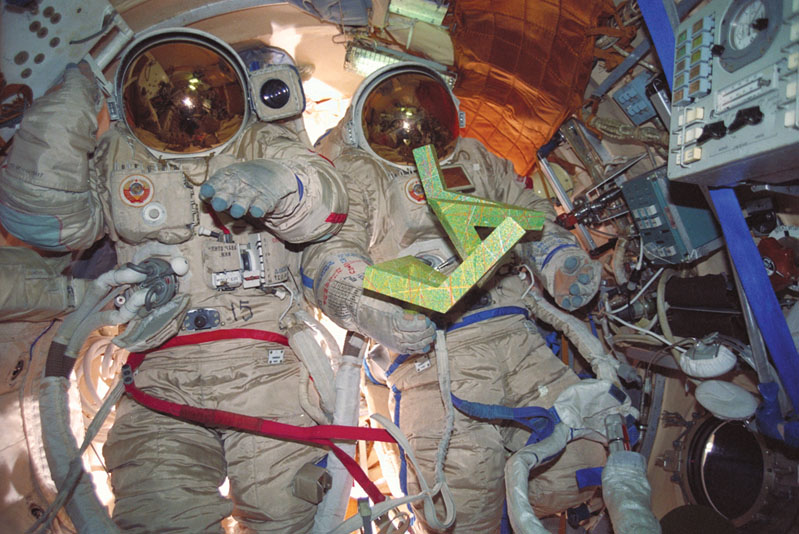
An Astronautical Perspective on the Arts and Space Arthur Woods - Latest update: April 2026 Most people are probably not aware that the idea of space exploration began in the mind [...]
Artworks that may be simultaneously experienced by the entire planet represent a revolutionary development in the history of the visual arts. In 1911, Wassily Kandinsky wrote: “The great epoch of [...]