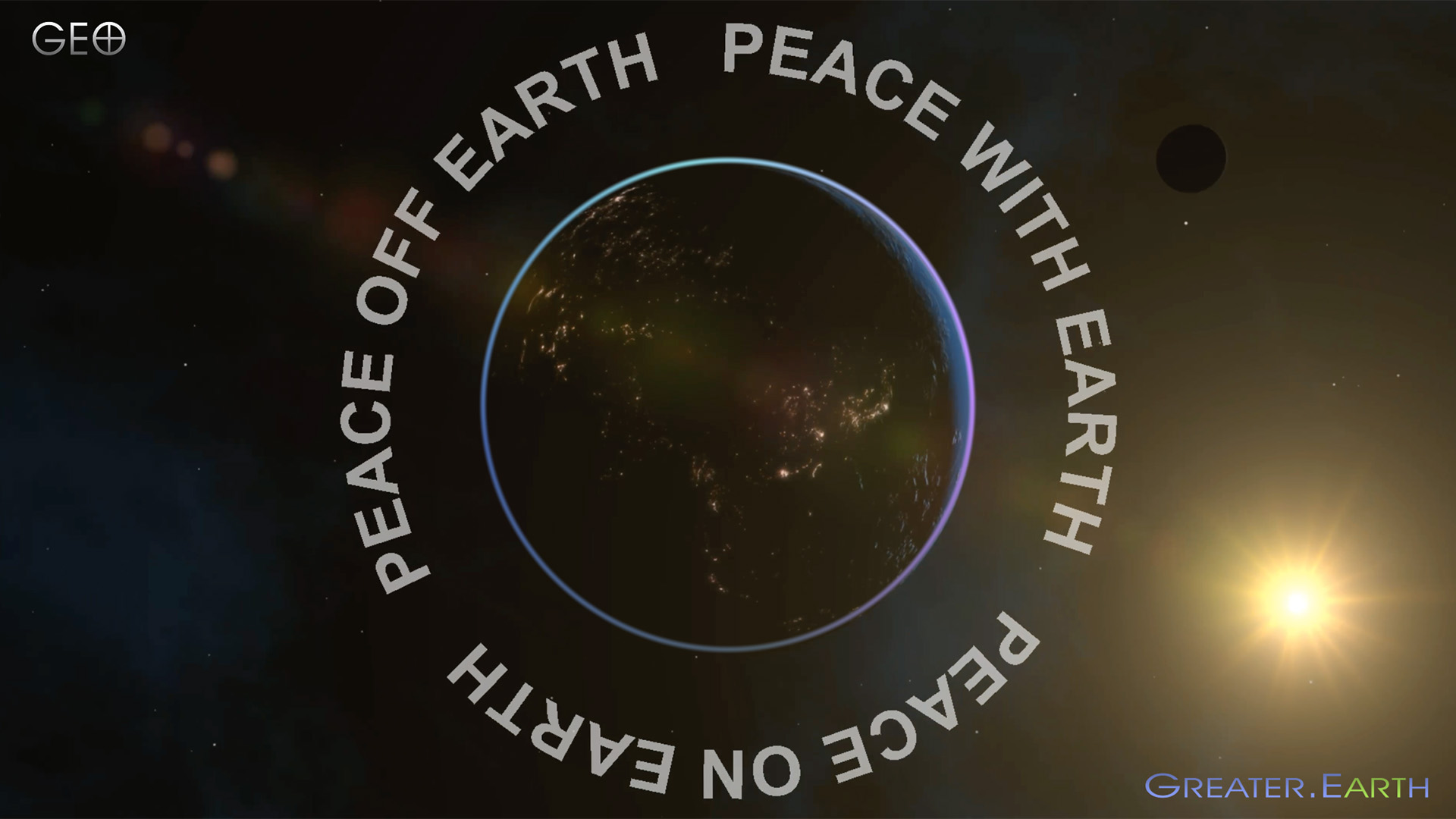
Part 1: Enabling Peace off, with, and on Earth
The biggest obstacles to space development and to civilisation in general, are the wars over energy and other resources we are currently witnessing. The current period of shared prosperity, built upon and supported by a reliable global supply of fossil fuels is coming to an end. Today, more than two-thirds of the world’s traded fossil fuels comes from countries affected by war, sanctions, or blockades. This has made fossil fuel supplies increasingly limited and fragile, with a constant risk of further disruption. At the same time, easily available oil and mineral reserves are being depleted, economies are weak, debt is growing, and inequality is rising sharply. Together, these pressures could drive a global economic downturn on a scale not seen for generations. Consequently, humanity has arrived at a critical tipping point at which centuries of industrial growth begin to give way to long-term decline. Additionally, wars and military operations contribute significantly to both climate change and pollution. Military jets and vehicles consume petroleum-based fuels at an extremely high rate, and the vehicles used in the war zones produce tons of carbon monoxide, nitrogen oxides, hydrocarbons, and sulphur dioxide in addition to CO2.
Thus, the choice of using space technologies for either war or for peace and how that choice may impact the future of humanity is critical to our future – politically, economically and environmentally. Simply stated, humanity must soon make this critical choice: using space technologies for peace or for war. While humanity is indeed at a crossroads about how it conducts its affairs, it could also be on the threshold of transforming the conflict-prone, energy-constrained Fossil Fuel Age into an energy-abundant and increasingly prosperous Space Energy Age.
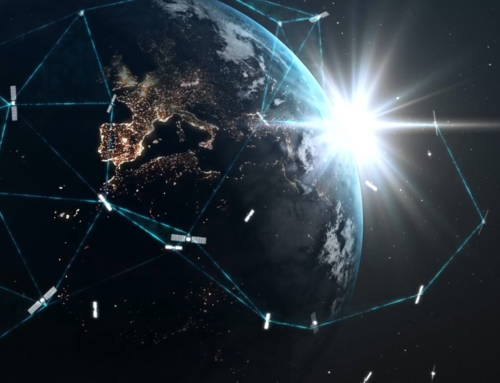
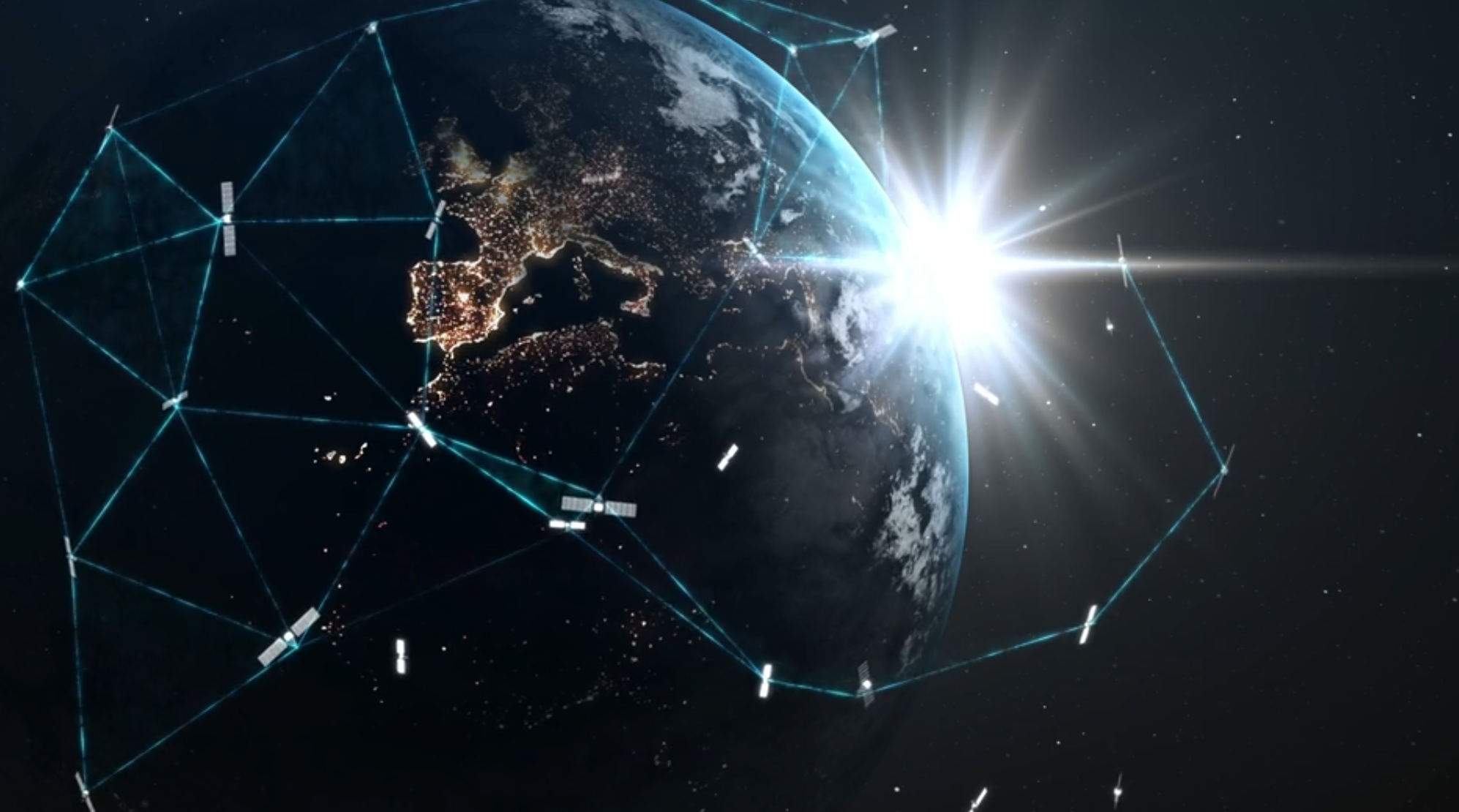
Imagine waking up tomorrow to find that every satellite orbiting Earth has gone dark. Planes lose navigation, container ships drift off course, financial markets freeze, emergency services lose communications, and weather forecasts vanish. In a single day, the invisible infrastructure we have quietly built in space would reveal just how deeply our lives already depend on these assets in space. Yet today, as space becomes more crowded and more contested, we face a stark choice: will we treat this new frontier as just another battlefield, or as a place to build the foundations of global peace?
When the first satellites were launched in the 1950s and 60s, governments quickly realised that they needed rules for this unfamiliar realm. At the height of the Cold War, they negotiated what became the 1967 Outer Space Treaty, which still forms the backbone of international space law. It set out some simple but profound principles: space belongs to no one; it should be used for peaceful purposes; nuclear weapons and other weapons of mass destruction are banned there; and exploration should benefit all countries, not just the ones with rockets. In other words, the very first legal framework for space imagined it as a global commons and a zone of restraint, not a high‑tech Wild West.
Six decades later, this hopeful vision is under pressure. Space has become a critical arena for both civilian and military power, and major states are developing anti‑satellite weapons, cyber‑capabilities, and other tools that could disable or destroy orbital infrastructure. Analysts warn that a space arms race is no longer hypothetical; it may already be underway, with all the risks that implies for escalation and miscalculation. A single deliberate strike or even an accident in orbit could create clouds of debris that threaten every satellite, including those used for weather, rescue operations, and scientific research. The same global connectivity that makes space so valuable also makes it fragile.
At the same time, our need for what space technologies can offer has never been greater. Satellites are our planetary early‑warning system. They track storms and heatwaves, monitor melting ice and rising seas, and give farmers and governments the data they need to manage food and water in a warming world. Space‑based instruments help detect illegal deforestation, pollution, and natural disasters faster than any ground‑based network could. In a very real sense, they allow humanity to see itself from the outside and to manage a planet that is suddenly, and visibly, under strain.
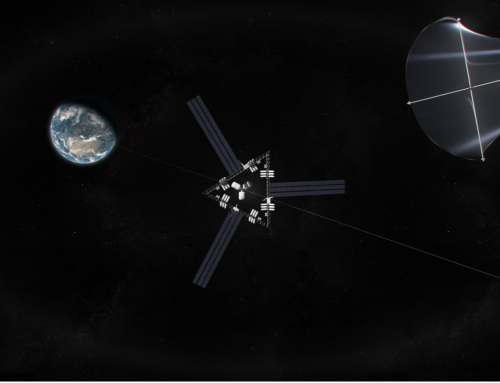
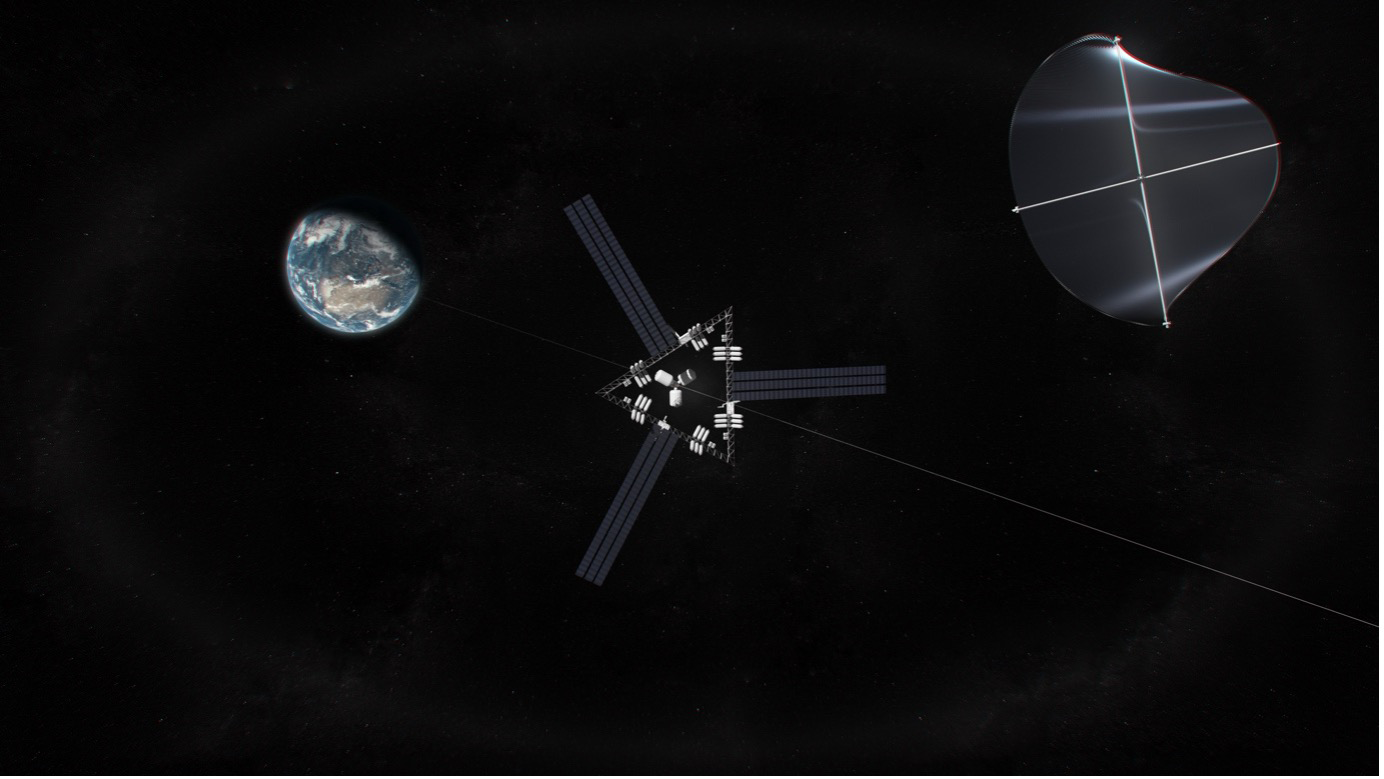
Looking ahead, space may also hold part of the answer to one of our most stubborn sources of conflict: energy. The idea of harnessing solar power in space and beaming it to Earth used to sound like science fiction at first encounter, but the basic principle is straightforward and is being researched and developed around the world today. Huge satellites in high orbits would collect almost constant sunlight, convert it into microwaves and beam that energy down to large receiving antennas on Earth, where it would be turned into electricity and fed into the grid. Because sunlight is available more than 99.94% of the time in geostationary Earth orbit – 8,755 hours/year – and unaffected by clouds or nighttime, these space systems could deliver steady, 24/7 clean power. Recent studies from agencies, research institutions and emerging space energy companies suggest that if launch and technology costs continue to fall, Space-based Solar Power (SBSP) could become economically competitive within a decade or sooner.
Why does this matter for peace? Because much of modern geopolitics still rotates around who controls the production and distribution of energy. Oil and gas pipelines, shipping lanes, and strategic chokepoints have been flashpoints for crises and wars throughout recent history. Energy infrastructure is being strategically targeted in conflicts. Sudden price spikes and supply interruptions can destabilise economies and governments.
If we can generate abundant, carbon‑dioxide-free electricity from orbit and beam it to where it is needed, we start to loosen the grip of geography on energy security. Countries become less vulnerable to blockades, embargoes, attacks or the politics of hidden agendas. In principle, a network of Solar Power Satellites could allow power to be shared rapidly between regions, making the global system more resilient and less vulnerable to shocks. Plentiful clean energy from space would lead to an overall rise in prosperity.
This is where the three steps at the heart of this article come in. First, we need to establish “peace off Earth”: a deliberate choice to deepen cooperation in space instead of sliding into confrontation. That means strengthening existing treaties, agreeing not to test debris‑creating weapons, sharing information about orbits, and designing joint missions – such as international lunar bases, shared observation satellites or multinational space energy organisations – that tie countries’ interests together. The orbits around Earth are a shared, delicate environment that should be carefully managed. If we permit unrestrained commercial exploitation, everyone loses. If we treat space as a battleground, everyone loses. If we treat it as shared infrastructure, we create mutual incentives to keep it safe.
Second, we can use this multinational cooperative approach to achieve “peace with Earth.” Space technology already helps us understand and protect our own planet, but it could also help us power it more gently. Space‑based Solar Power is one example; using resources from the Moon or asteroids for construction, manufacturing and propellant production in space, rather than mining everything on Earth, is another. The guiding idea is to shift the most damaging forms of extraction and pollution away from our biosphere, while using orbital tools to manage the ecosystems we depend on more intelligently. If done under fair and transparent rules and with international cooperation, this could ease the environmental and social pressures that drive conflict on the ground. International cooperation would de-risk the initial investments and regulatory issues of energy procurement and space development.
Finally, if we succeed in building “peace off Earth” and “peace with Earth”, we open a pathway towards “peace on Earth.” Energy abundance and diversified supply chains reduce the temptation to seize resources by force. Long‑term collaboration in space builds habits of trust, shared standards, and crisis communication channels that can benefit other areas of international relations. Seeing our world from orbit, as astronauts so often describe as the “Overview Effect”, can reinforce a simple but politically powerful truth: we share one small, fragile planet, and a common future.
Furthermore, if one believes that economic and technological development are necessary preconditions for peace, then one must arrive at the conclusion that we need to commit significant resources – first to fuel development, and then to reduce geopolitical tensions.
There is no guarantee that space development will magically end war and geopolitical conflicts. The same technologies that promise clean power and global connectivity can also be used for surveillance, discrimination or conflicts. What SBSP development proposes is that humanity still has a choice – the Space Option – an evolutionary plan to meet the basic and anticipated needs of humanity through the utilisation of near Earth resources – not merely for the in-situ support of science or exploration, but rather to apply these resources and/or their products for use on Earth at a large scale to address the many crises we currently face. Most immediately, the harnessing of energy from space would reduce humanity’s dependence on the continued use of finite fossil fuels. This tension-reducing potential is perhaps the greatest contribution to eventual peace and security on Earth. Unfortunately, it appears that alternative and renewable terrestrial energy resources, while both desirable and necessary, can never be deployed on a scale sufficient to meet the ever-growing needs and demands of our present and future populations nor to avoid continuous wars over the control of energy resources. By embracing the Space Option humanity could access sufficiently abundant new resources needed to reduce global tensions. This tension-reducing potential is perhaps the greatest contribution to eventual peace and security on Earth.
The institutions and legal principles that were intended to keep space peaceful were written at a time when spaceflight was new and rare. Today, as more countries and companies gain access to orbit, humanity has a chance – and an urgent need – to update those rules so that they support a new kind of geopolitics: one where the advantages of space are harnessed – not to deepen rivalries – but to reduce the underlying tensions and competition that make conflict seem inevitable.
In the context of “peace on Earth,” this is perhaps the most important point. A multinational approach to developing and implementing SBSP is not just a proposal to generate electricity from space. It is a proposal to govern that electricity in a way that reduces the chance of energy becoming a new instrument of coercion. If power satellites are owned, regulated, and expanded through a shared multinational treaty organisation, then the system begins to look less like an orbital empire and more like a new layer of common infrastructure. That does not eliminate politics, but it changes its character. Competition and conflict over scarce fossil fuel reserves could gradually give way to negotiation over shared abundance.
Seen this way, “peace off, with and on the Earth” is neither a vague slogan nor a purely ecological and ideological aspiration. It is a geopolitical project to reduce the structural causes of conflict by enlarging the energy base available to humanity and by doing so through cooperative space governance rather than strategic rivalry. This suggests that the benefits of space development need not stop at exploration or telecommunications. Under the right framework, they could become part of a wider architecture of planetary stability and prosperity. Embracing the Space Option is a realistic, pragmatic and equitable way to do so. As it is an “option” it should be evaluated and compared with all other energy, security and climate mitigation options currently available to humanity.
Link: Greater Earth Lunar Power Station – (GE⊕-LPS) Study
https://www.esa.int/ESA_Multimedia/Images/2023/07/Lunar_solar_power_satellite
Part 2: Transforming the Fossil Fuel Age into the Space Energy Age