Part 2: Transforming the Fossil Fuel Age into the Space Energy Age
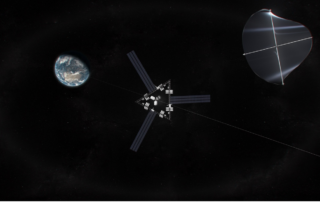
The Space Energy Option Humanity is at a crossroads: we must decide if we prefer to live and prosper in an energy-rich world or attempt to survive in an energy poor-one. Finding a viable solution to the impending energy and climate crises confronting humanity is urgently necessary. The fundamental causes of these interrelated issues are the many environmental and geopolitical issues associated with the continued use of fossil fuels added to the fact that these are projected to become harder to extract, to distribute, and are more conflict prone. Policies to reduce energy consumption, and inadequate measures currently being implemented [...]
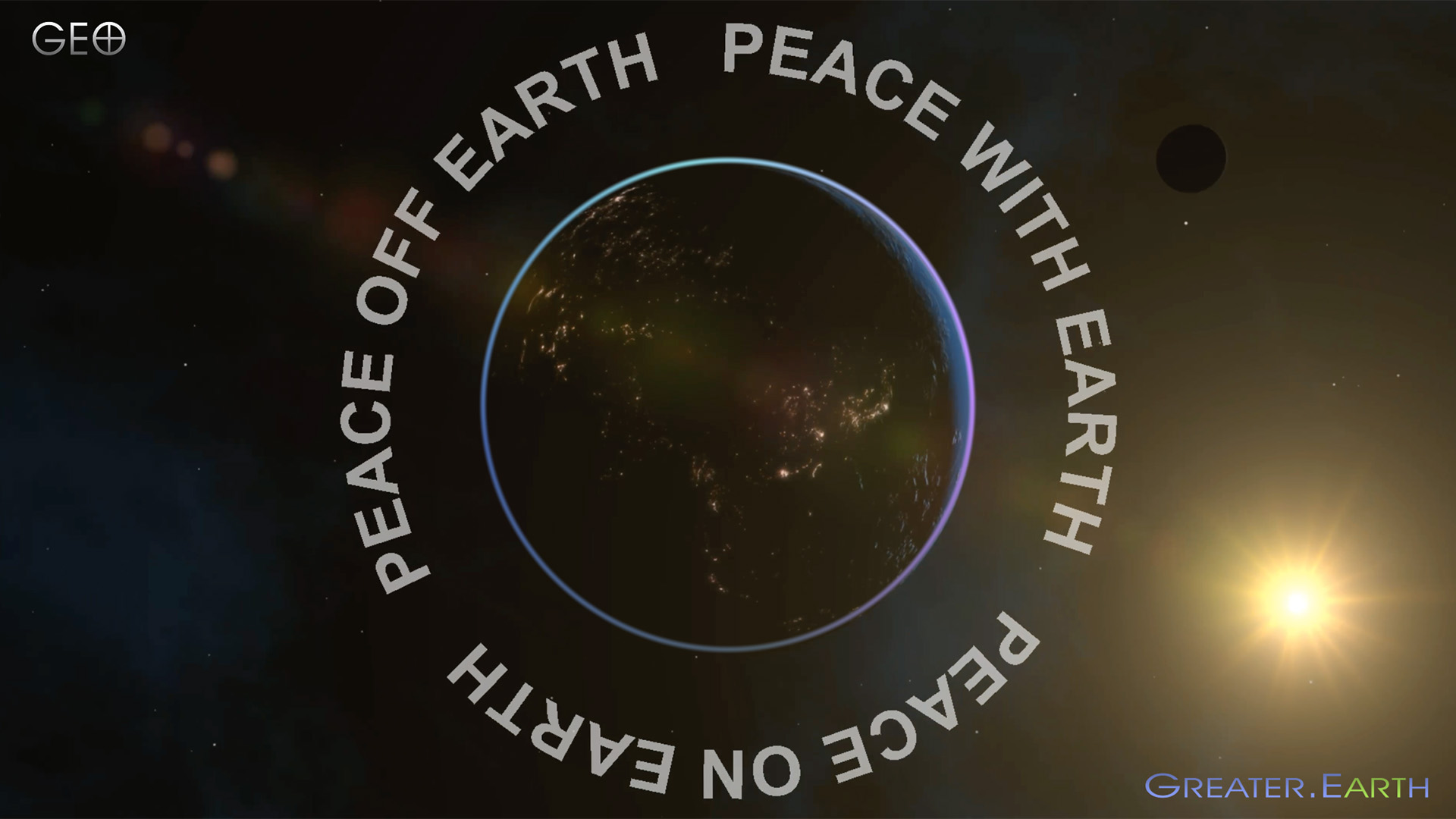
Part 1: Enabling Peace off, with, and on Earth
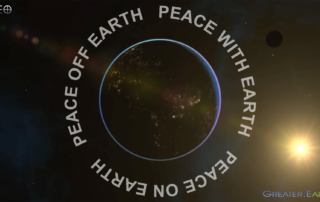
The biggest obstacles to space development and to civilisation in general, are the wars over energy and other resources we are currently witnessing. The current period of shared prosperity, built upon and supported by a reliable global supply of fossil fuels is coming to an end. Today, more than two-thirds of the world’s traded fossil fuels comes from countries affected by war, sanctions, or blockades. This has made fossil fuel supplies increasingly limited and fragile, with a constant risk of further disruption. At the same time, easily available oil and mineral reserves are being depleted, economies are weak, debt is [...]
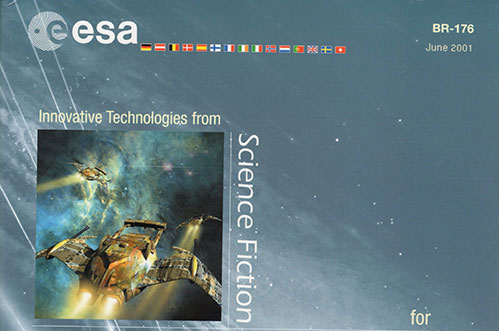
Innovative Technologies from Science Fiction for Space Applications
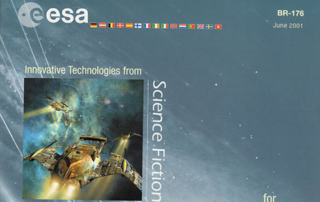
The idea that science fiction literature contained innovative technological ideas which could possibly be brought to a point of development with either today’s technology or possibly technology which was just around the corner was the driving force behind an European Space Agency (ESA) study entitled Innovative Technologies from Science Fiction (ITSF). David. Raitt, Patrick Gyger, Arthur Woods * Paper IAF-01-IAA.8.2.02 presented at the 52 International Astronautical Congress 1-5 Oct 2001 / Toulouse, France Abstract Ideas play an important role in science and technology, even when they do not have an immediately testable aspect, and writers have predicted satellites, [...]
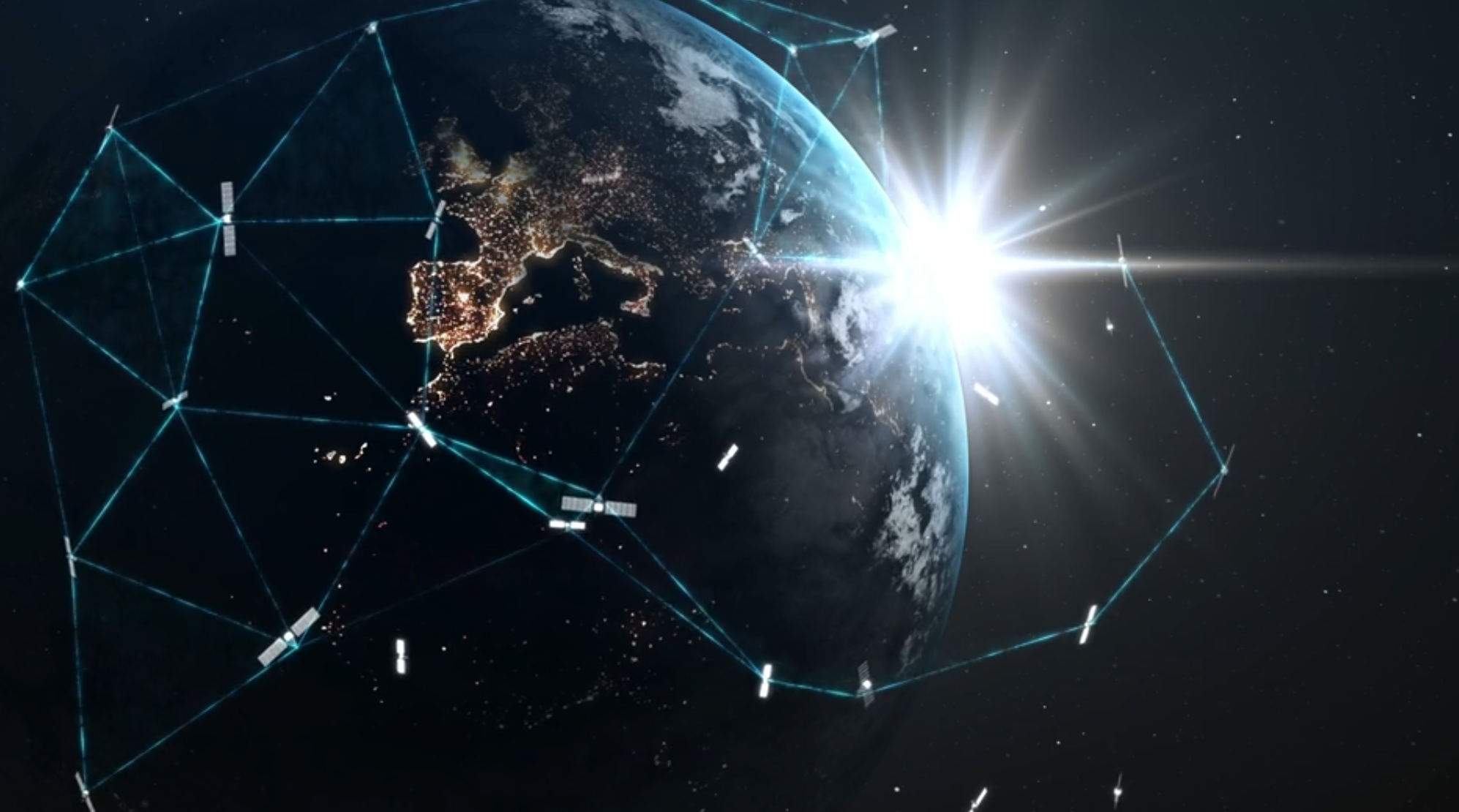
Space Solutions to Terrestrial Problems
Most people intuitively assume and fundamentally believe that terrestrial problems must have terrestrial solutions. This is likely due to a lack of understanding about our interconnectedness and interdependence with the rest of the cosmos. As a terrestrially evolved organism, it is in our genes to adapt to our immediate environment as we have over millions of years. Only recently have we begun to become aware of how celestial events affect our lives. We now know that such events have been critically important to the evolution of life on Earth. Impacts of comets and asteroids most likely provided a young Earth [...]
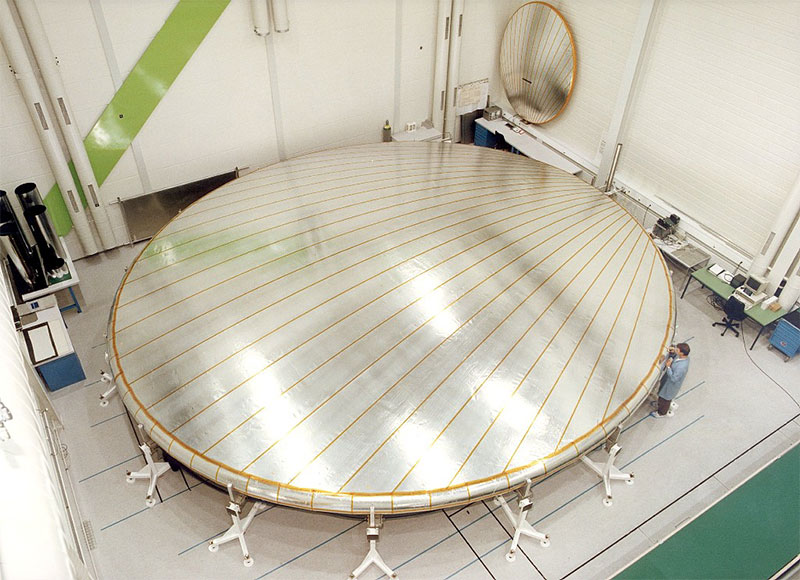
CRES – Chemically Rigidized Expandable Structures
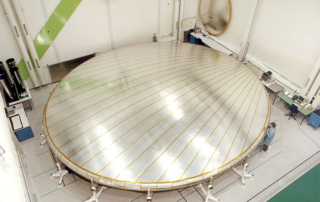
CRES Expertise accumulated through the Contraves Space work M.C. Bernasconi Consultants Dr. Marco C. Bernasconi Overview Dr. Marco C. Bernasconi, in particular because of his long involvement with the developments at Contraves Space, possesses of a unique expertise in the field of inflatable, chemically-rigidized expandable structures for space applications (called herein CRES, for short). For historical reasons, work at Contraves centered on microwave antenna reflectors, as exemplified by the realization of the first “inflatable” offset reflector; however, work has been done in all classes of flexible-wall expandable structures (a superset of CRES — see diagram below) with the exception of [...]
Ethical Considerations in Astronautical Endeavours
Introductory Remarks Marco C. Bernasconi The OURS Foundation, Switzerland Paper IAA-95-IAA.8.1.01 presented at the XLVI International Congress of Astronautics, in Oslo (Norway),October 1995 Introduction Ethics is not a scientific discipline, but part of philosophy, and the philosophers even after three thousand years of inquiry have not managed to develop a method for ascertaining which of their many statements are – if not true – at least truly relevant for this Universe. Therefore, turning to ethics to obtain a guide for future-oriented action, one just opens the floodgates for a profusion of arguments and counter-arguments, and for being submerged by a [...]
Considering the Universe
Contribution by Dr. Marco C. Bernasconi The progress of the astronomical sciences has constantly opened new horizons to the humanity’s culture, not only by the discovery of new celestial objects, but mainly by showing the real dimensions of the Universe. In recent times, astronautical techniques have contributed substantially to the cosmic research effort, to the point that science has been advanced as the primary reason for spaceflight. In reality, although astronautics and astronomy have a common origin in the human drive to explore and to penetrate the mysteries of the heavens, this is not the case. The scientific research aimed [...]
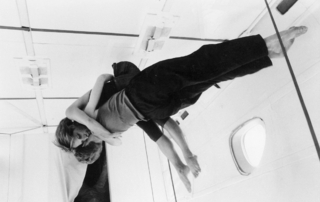
Space and the Arts by David Raitt
This paper provides an overview of the relationship between space and art by discussing art that has been sent into space, orbital sculptures, art on Earth seen from space, and performance art and dance in zero gravity. The paper then provides an overview and discussion of the European Space Agency’s (ESA) involvement in some activities in this domain including the organization of science fiction and space art exhibitions and conferences, creation of a space arts database, setting up a space arts programme, and a study recently launched into how the European components of the International Space Station could be transformed [...]
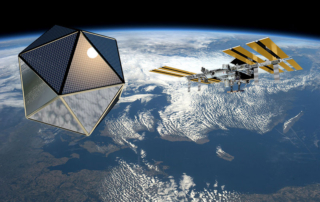
Inflatable Technologies for Sculpture in Earth Orbit
A number of artists have made proposals for creating monumental artworks to be placed in Earth orbit which could be seen with unaided vision by those on Earth. While there has been a variety of technologies suggested most of the proposals have utilized some form of inflatable space technology. Echo 2 The idea of using inflatable structures goes back to the first Echo satellites launched by the US in the 60's - although a number of inflatable concepts for space applications pre-dated these satellites. These were passive communication satellites and carried no other payload. However, they were significant because, in [...]
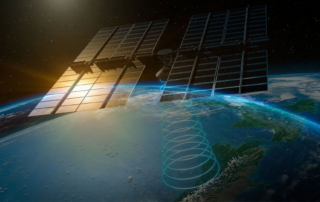
Risk Analysis of Climate Change, and Potential SPS Contribution to Global Warming or Global Cooling Mitigation
By Patrick Collins (1) and Marco C. Bernasconi (2) 1)Azabu University, Sagamihara, Japan 2) MCB Consultants, 8953 Dietikon, Switzerland Although the mass media have for several years treated the theory of “global warming” caused by humans’ emissions of CO2 as proven fact, the direction of future climate change and its causes are the subject of heated controversy within the scientific community. in particular, geologists, paleontologists and others have recently drawn attention to the apparently much more serious threat of “global cooling”, which has been largely ignored to date. Solar Power Satellites (SPS), originally proposed as a means of supplying [...]
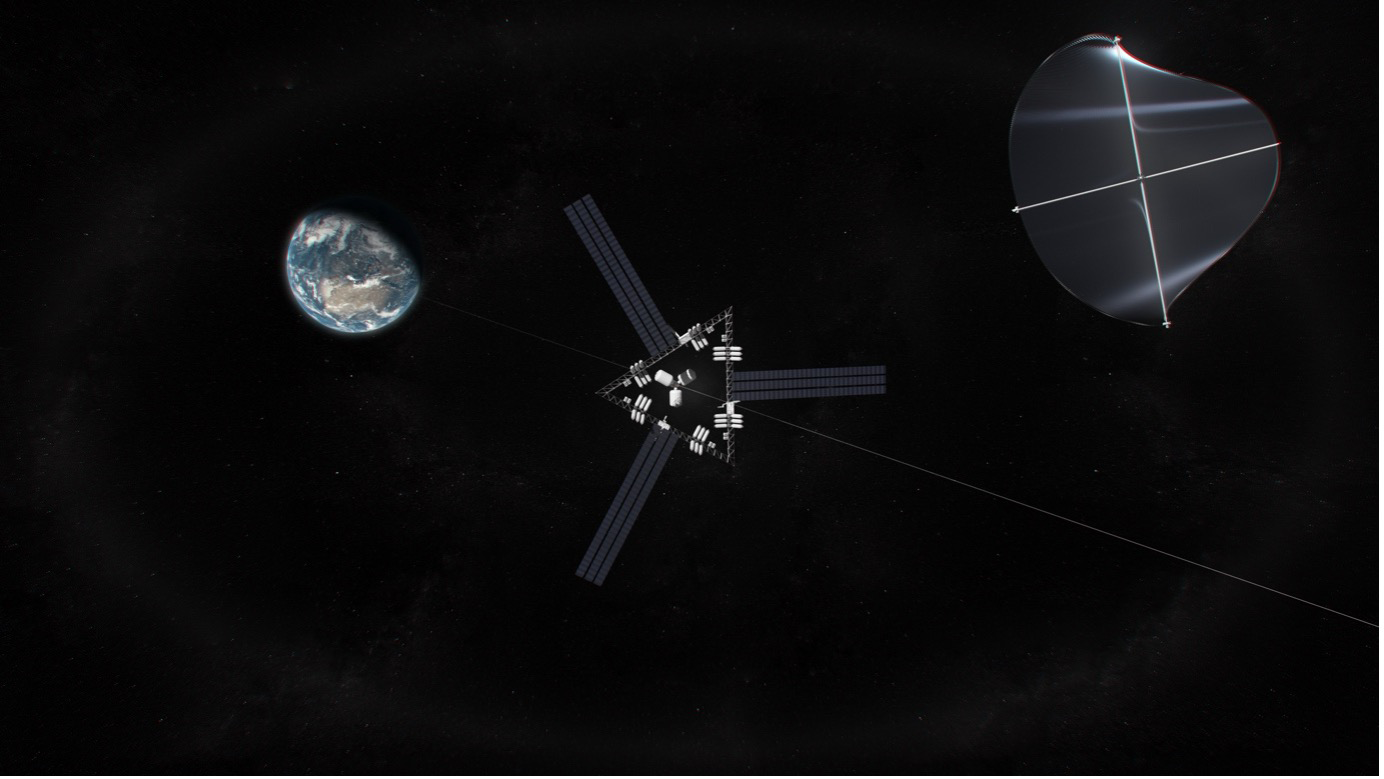
The Space Energy Option Humanity is at a crossroads: we must decide if we prefer to live and prosper in an energy-rich world or attempt to survive in an energy [...]
The biggest obstacles to space development and to civilisation in general, are the wars over energy and other resources we are currently witnessing. The current period of shared prosperity, built [...]
The idea that science fiction literature contained innovative technological ideas which could possibly be brought to a point of development with either today’s technology or possibly technology which was just [...]
Most people intuitively assume and fundamentally believe that terrestrial problems must have terrestrial solutions. This is likely due to a lack of understanding about our interconnectedness and interdependence with the [...]
CRES Expertise accumulated through the Contraves Space work M.C. Bernasconi Consultants Dr. Marco C. Bernasconi Overview Dr. Marco C. Bernasconi, in particular because of his long involvement with the developments [...]

Introductory Remarks Marco C. Bernasconi The OURS Foundation, Switzerland Paper IAA-95-IAA.8.1.01 presented at the XLVI International Congress of Astronautics, in Oslo (Norway),October 1995 Introduction Ethics is not a scientific discipline, [...]
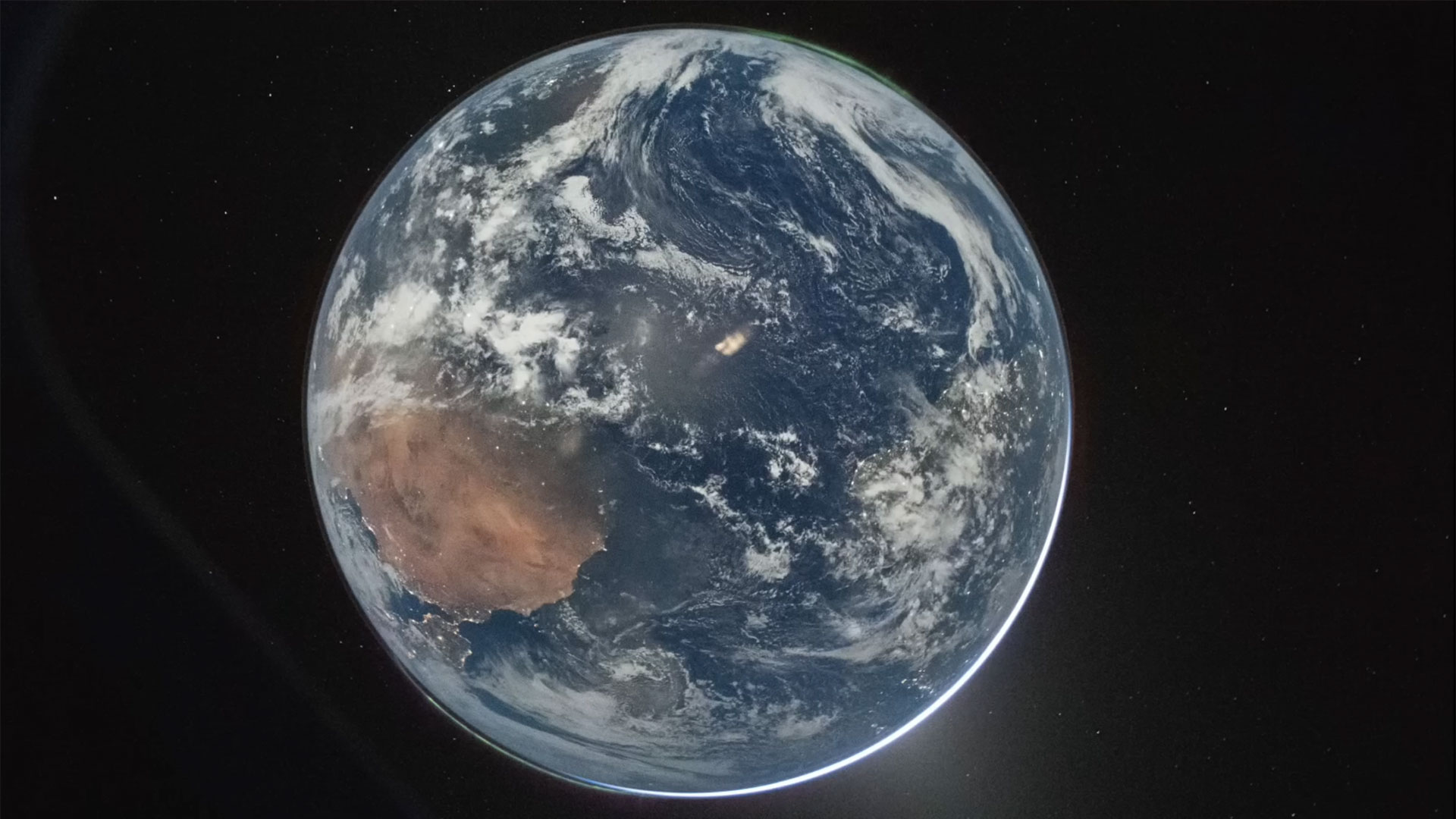
Contribution by Dr. Marco C. Bernasconi The progress of the astronomical sciences has constantly opened new horizons to the humanity’s culture, not only by the discovery of new celestial objects, [...]
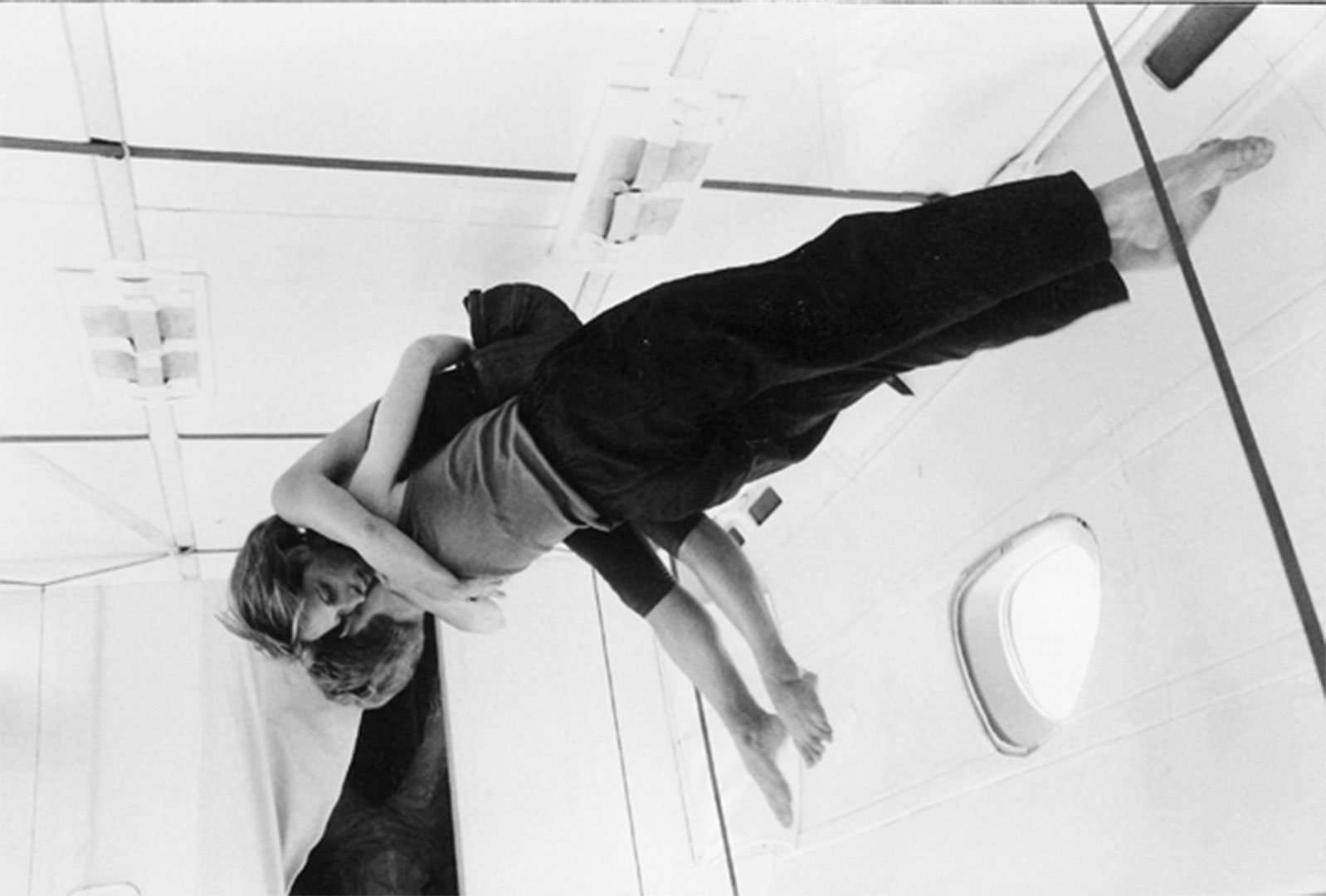
This paper provides an overview of the relationship between space and art by discussing art that has been sent into space, orbital sculptures, art on Earth seen from space, and [...]
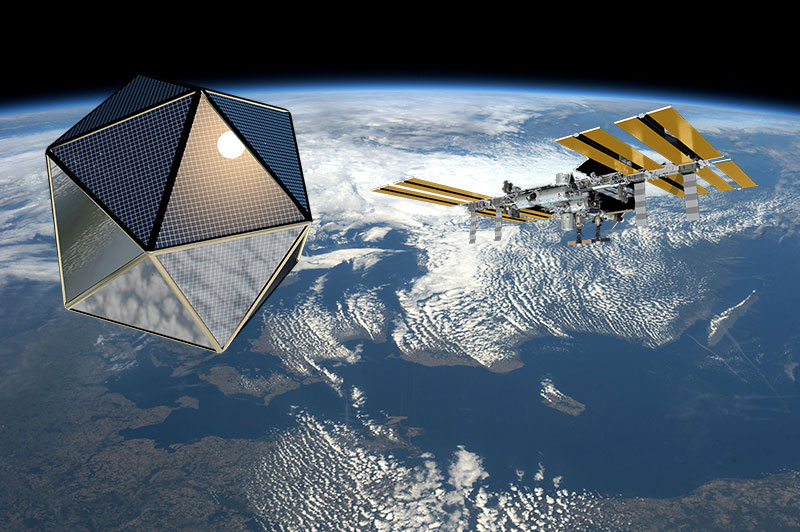
A number of artists have made proposals for creating monumental artworks to be placed in Earth orbit which could be seen with unaided vision by those on Earth. While there [...]
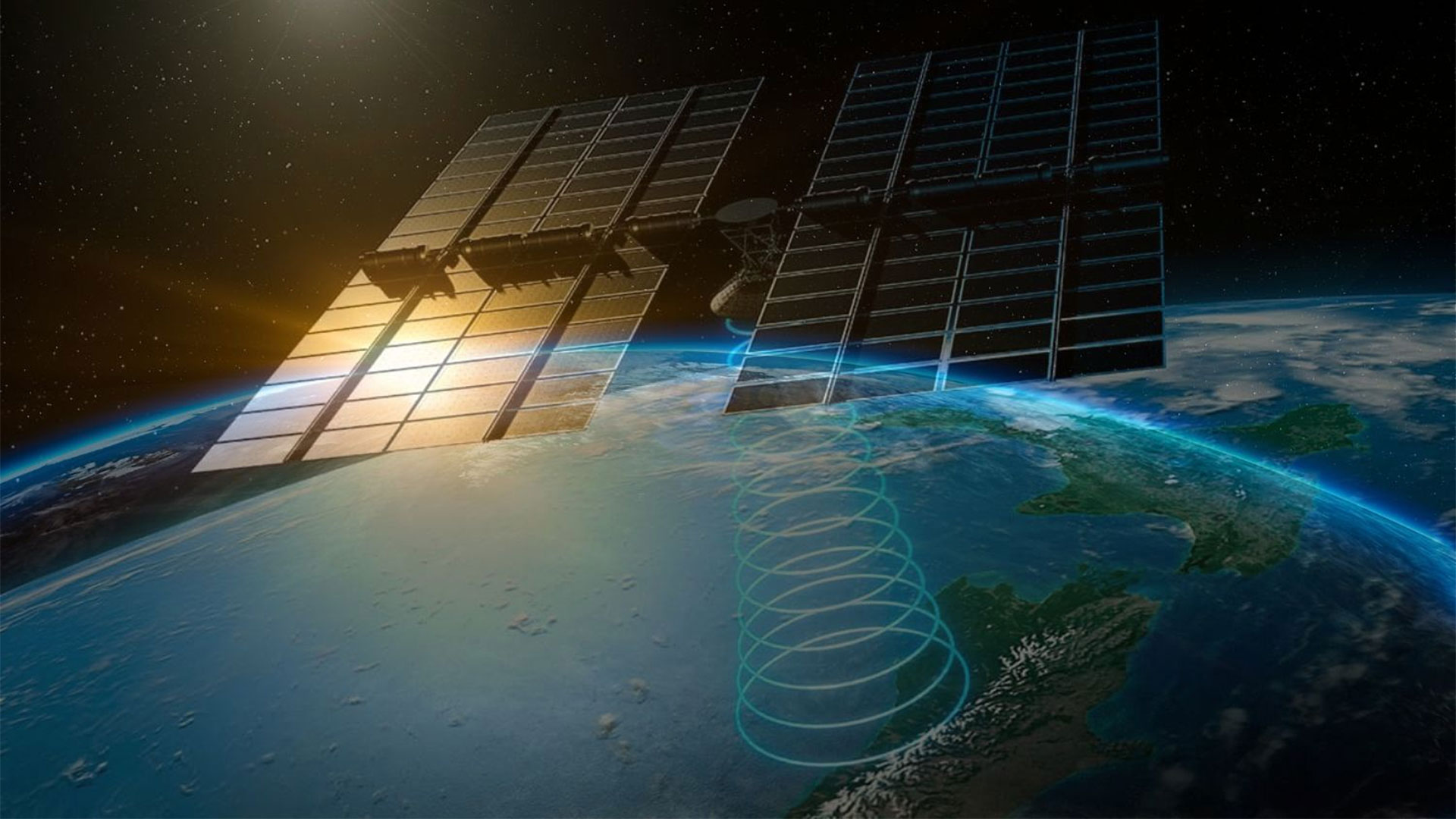
By Patrick Collins (1) and Marco C. Bernasconi (2) 1)Azabu University, Sagamihara, Japan 2) MCB Consultants, 8953 Dietikon, Switzerland Although the mass media have for several years treated the [...]